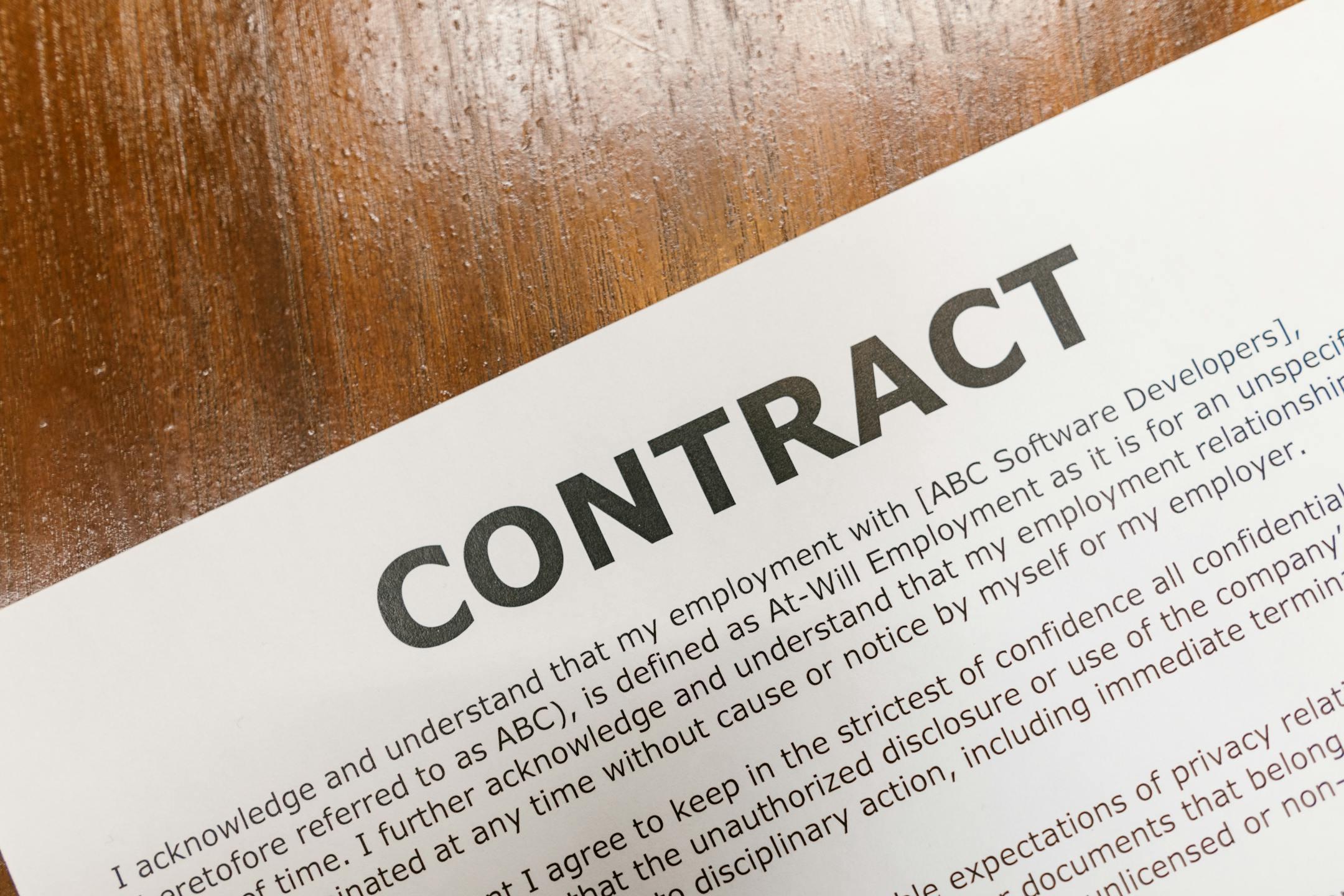
Contracts run your business. You sign them with suppliers, partners, employees, and investors. Most of the time, they work. Sometimes, they don’t.
A missed deadline. An unpaid invoice. A partner who walks away from a deal. What starts small can grow fast. And when it does, you need a litigator who knows how to step in early and protect your position.
If you operate in Mississauga, Brampton, or Toronto, contract disputes are not rare. They’re part of doing business in a busy market. The difference is how you respond.
Here’s how a litigator protects your business before problems turn into lawsuits.
Most disputes don’t begin in court. They begin with tension.
At first, you try to handle it yourself. A few emails. A call. Maybe a formal notice. But without legal strategy, you risk saying the wrong thing or missing a key deadline.
That’s when a litigator becomes essential.
A litigator does more than argue in court. A litigator reads the contract, reviews the facts, and builds a strategy before the dispute escalates.
And timing matters. Early action protects leverage.
The first job of a litigator is simple: protect your legal position.
That means:
Many business owners hurt their case by reacting emotionally. They send aggressive emails. They admit partial fault. They make promises they can’t keep.
A litigator stops that. You get clear direction. You move with purpose.
For high net worth individuals, this step is even more important. Your business structure, personal assets, and reputation are often connected. A dispute in one area can affect another.
A strategic litigator looks at the full picture, not just the contract.
In business disputes, perception matters.
If a conflict involves shareholders, partners, or family members, rumors spread fast. In tight professional circles across the GTA, reputation has value.
A litigator controls communication. That includes:
The goal is not to escalate. The goal is to position you correctly.
Strong, precise communication often resolves disputes before they reach court. Many contract issues settle once the other side realizes you are represented by a serious litigator.
Litigation does not always mean trial.
In fact, most civil disputes resolve through negotiation, mediation, or structured settlement. But those outcomes happen when you prepare as if the case will go to court.
A litigator prepares:
When the other side sees preparation, they reassess their position.
For business owners between 30 and 50, time is money. You don’t want endless back and forth. You want clarity. You want a plan.
A focused litigator gives you that plan.
In the GTA, many business disputes overlap with family law. Divorce. Separation. Support claims. Shareholder conflicts between spouses.
If your business becomes part of a family law proceeding, the stakes increase.
You are not just arguing over a contract. You are protecting ownership, valuation, and future income.
A litigator who understands both civil litigation and family law sees these risks early. They work to:
For high net worth individuals, this level of control is critical. Poor handling of one motion can shift negotiation power for months.
Delays cost money.
If you ignore a breach:
On the defense side, failing to respond properly to a claim can result in default judgment. That means losing before you even argue your case.
A litigator ensures deadlines are met. Filings are accurate. Strategy stays tight.
Waiting rarely improves your position. Early legal direction does.
Modern businesses move fast. So should your legal team.
Today, contract disputes involve:
A tech-oriented litigator understands how to gather and organize digital evidence efficiently. That saves time and reduces disruption.
For busy professionals in Mississauga and Toronto, this matters. You don’t want to spend weeks pulling paper files. You want streamlined communication, secure document sharing, and remote signing when possible.
Litigation does not need to mean constant office visits. With the right systems in place, you handle most steps digitally and efficiently.
Some business owners avoid hiring a litigator because they worry about cost.
But consider the alternative:
The financial and reputational risks are higher than the legal fees.
A strong litigator focuses on outcome and efficiency. They identify weak arguments quickly. They avoid unnecessary steps. They push toward resolution when it serves you — and push harder when it doesn’t.
Not every litigator fits your business.
You want someone who:
If you are a high net worth individual, discretion and strategic thinking are non-negotiable.
Your legal team should feel aligned with how you run your business — organized, efficient, forward-looking.
Contracts go wrong. That’s reality.
What matters is how you respond.
A litigator protects your business at every stage:
Early action protects leverage. Clear strategy protects assets. Strong representation protects reputation.
If you operate in Mississauga, Brampton, or Toronto and a contract issue is developing, don’t wait for it to become a lawsuit.
Get clear advice. Protect your position. Move with purpose.
To speak with a litigator about your civil litigation or family law matter, contact Atlas Law Group. You can start the process digitally and efficiently — and take control before the problem grows.